A Complete Guide to Obtaining Your UK Registered Driving Licence
For lots of residents in the United Kingdom, holding a valid driving licence represents a significant milestone of independence and opportunity. Whether you are a new resident looking to move your existing licence, a novice candidate getting ready for your theory and useful tests, or someone looking for to comprehend the documents requirements, browsing the process of obtaining a UK registered driving licence requires patience, preparation, and adherence to established treatments. Understanding the genuine pathway to licensing makes sure not only compliance with the law however likewise establishes the abilities and knowledge required to be a safe and accountable driver on British roadways.
The Driver andVehicle Licensing Agency (DVLA) acts as the governing body responsible for releasing driving licences throughout the United Kingdom. Unlike uncontrolled file procurement services that might promise shortcuts or expedited processing for inflated fees, the DVLA keeps extensive standards designed to confirm that every licence holder possesses the proficiency and legal eligibility to run motor cars. This detailed guide takes a look at the genuine processes, associated expenses, and necessary requirements for acquiring your UK driving licence through appropriate channels.
Comprehending the Different Types of UK Driving Licences
The UK driving licence system categorises licences according to the kinds of cars operators might drive. Understanding these classifications assists applicants figure out which licence fits their requirements and which application process uses to their situations.
Full vehicle licences, classified as Category B, allow holders to drive automobiles with a maximum authorised mass not going beyond 3,500 kgs and efficient in carrying no greater than eight travelers. Motorcycle licences encompass a number of categories, varying from mopeds (Category AM) requiring very little training to bigger motorcycles (Category A) with less constraints. Extra categories cover industrial automobiles, consisting of trucks and buses, each carrying particular training and screening requirements.
Those fortunate to hold legitimate driving licences from particular countries designated as "designated nations" may exchange their existing licences for UK equivalents without undertaking theory or practical tests. Nevertheless, licences from nations outside this contract require the standard application process, that includes both theory and practical evaluations administered by approved driving trainers and official testing centres.
Eligibility Requirements for First-Time Applicants
Before starting the application procedure, potential motorists need to confirm they satisfy the basic eligibility criteria developed by the DVLA. Candidates must be citizens of Great Britain, a minimum of 17 years of age to drive on public roads (though theory tests can be taken at 16), and efficient in checking out a number plate from a distance of 20 metres. Medical fitness requirements use to all candidates, with those seeking larger vehicle categories facing more strict medical assessments.
Character and legal requirements likewise factor into eligibility decisions. Applicants must not be disqualified from driving by a court order and should not have been declined a driving licence for medical reasons. The DVLA maintains the right to demand additional medical information or driving evaluations when specific situations warrant further examination.
Step-by-Step Application Process
The journey toward getting a UK registered driving licence follows a structured path created to develop driving competence systematically throughout the process.
The first vital action involves studying for and passing the theory test, which consists of multiple-choice concerns on highway code knowledge, traffic indications, and safe driving principles, followed by a threat understanding part screening awareness of establishing road risks. Research study materials are readily available through authorities channels, including the DVLA's official highway code publication and authorized practice concern applications. buy uk driving licence to be passed in the past arranging any practical driving examination.
After being successful in the theory test, candidates progress to useful driving instruction. This stage needs completing a minimum of 45 hours of professional guideline together with personal practice, though many prospects require significantly more training depending on individual learning curves and natural driving ability. Professional driving trainers registered with the Driver and Vehicle Standards Agency (DVSA) provide structured lessons covering all aspects of car control, road awareness, and safe driving practices.
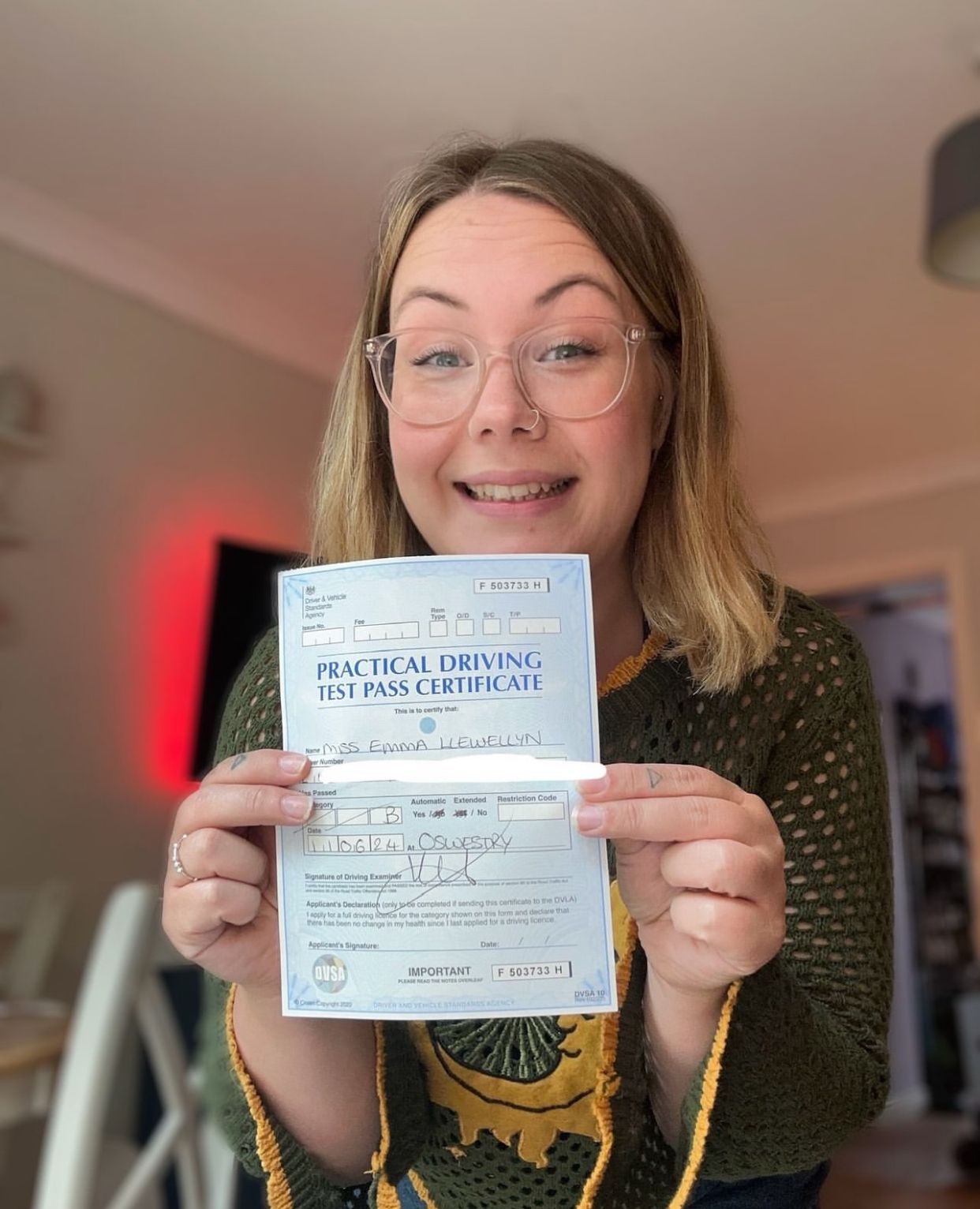
The last involves passing the practical driving test, which evaluates prospects on their capability to drive securely in different traffic conditions, carry out required manoeuvres such as reversing around corners and parallel parking, and demonstrate independent driving capabilities. Successful prospects get alert of their results immediately following the assessment, with full licence documents showing up by post within 3 weeks.
Associated Costs and Fee Structure
Understanding the complete cost picture assists candidates budget plan appropriately for their licensing journey. The following table lays out the main fees associated with getting a standard Category B driving licence:
| Fee Type | Expense (Standard) | Cost (Evening/Weekend Variable) |
|---|---|---|
| Theory Test | ₤ 23.00 | ₤ 23.00 |
| Practical Driving Test | ₤ 62.00 (weekday) | ₤ 75.00 (nights, weekends, bank vacations) |
| Driving Instructor Lessons (per hour) | ₤ 25.00 - ₤ 35.00 | ₤ 30.00 - ₤ 45.00 |
| DVLA Licence Application Fee | ₤ 14.00 | ₤ 14.00 |
These figures represent standard fees as of present guidelines and may differ based on screening centre location, trainer experience, and lesson plan plans. First-time applicants should anticipate overall expenses in between ₤ 600 and ₤ 1,500 depending on the variety of driving lessons required, though learners with previous driving experience in other countries might require fewer instruction hours.
Processing Times and Certificate Validity
Processing timelines for UK driving licence applications differ depending upon the application type and current DVLA processing volumes. Provisionary licence applications generally process within one week when sent online with validated identity paperwork. Full licence applications following effective test completion generally process within three weeks, though candidates ought to enable extra time during peak processing durations.
Provisional driving licences remain valid for two years from the concern date. The theory test certificate, required before booking useful examinations, remains legitimate for 2 years from the date of passing. Ought to this certificate end before finishing the practical test, prospects should retake and pass the theory evaluation before proceeding.
Often Asked Questions
For how long does it take to get a UK driving licence from start to finish?
The total duration differs substantially based upon private situations, prior experience, and test accessibility in your area. The majority of first-time candidates need three to six months from acquiring a provisional licence to passing their practical test, though prospects requiring additional instruction time might extend this period to 9 months or longer. Booking theory and practical tests well in advance assists accelerate the procedure, as testing consultations can fill rapidly, especially during peak seasons.
Can I drive while my application is pending?
Provisionary licence holders might drive lawfully on public roadways while accompanied by a certified driving instructor or authorized supervisor, provided the car displays proper L plates. Nevertheless, driving without a valid provisional licence, proper guidance, or insurance constitutes a major traffic offence carrying substantial penalties.
What recognition files do I need for my application?
The DVLA needs main identity paperwork such as a valid passport, biometric residence permit, or nationwide identity card from European Economic Area countries. Secondary paperwork might consist of energy bills, bank statements, or council tax letters confirming your current address. Online applications utilise GOV.UK Verify identity verification systems to enhance paperwork verification.
What takes place if I fail my driving test?
Stopped working candidates receive immediate feedback recognizing specific skill locations needing enhancement. A mandatory 10-day waiting duration uses before rebooking any useful test, enabling appropriate time for additional direction and practice. There is no limit on the number of attempts allowed, though candidates ought to seriously assess their readiness before scheduling subsequent evaluations to prevent unneeded expense and continued frustration.
Getting a UK registered driving licence through legitimate channels represents a beneficial financial investment in your movement, independence, and roadway security skills. While the process requires commitment of time, effort, and funds, the skills developed through appropriate training produce safer motorists and more positive road users. The structured evaluation system makes sure that every licence holder has shown minimum competency requirements before getting authorisation to drive without supervision.
Potential motorists should withstand temptation to pursue unlawful shortcuts advertised by deceitful services, as these arrangements usually result in confiscated documents, cops examination, and potential prosecution. The legitimate path, while requiring patience, delivers real legal acknowledgment and the practical abilities needed for a lifetime of safe driving across the United Kingdom's varied roadway network.